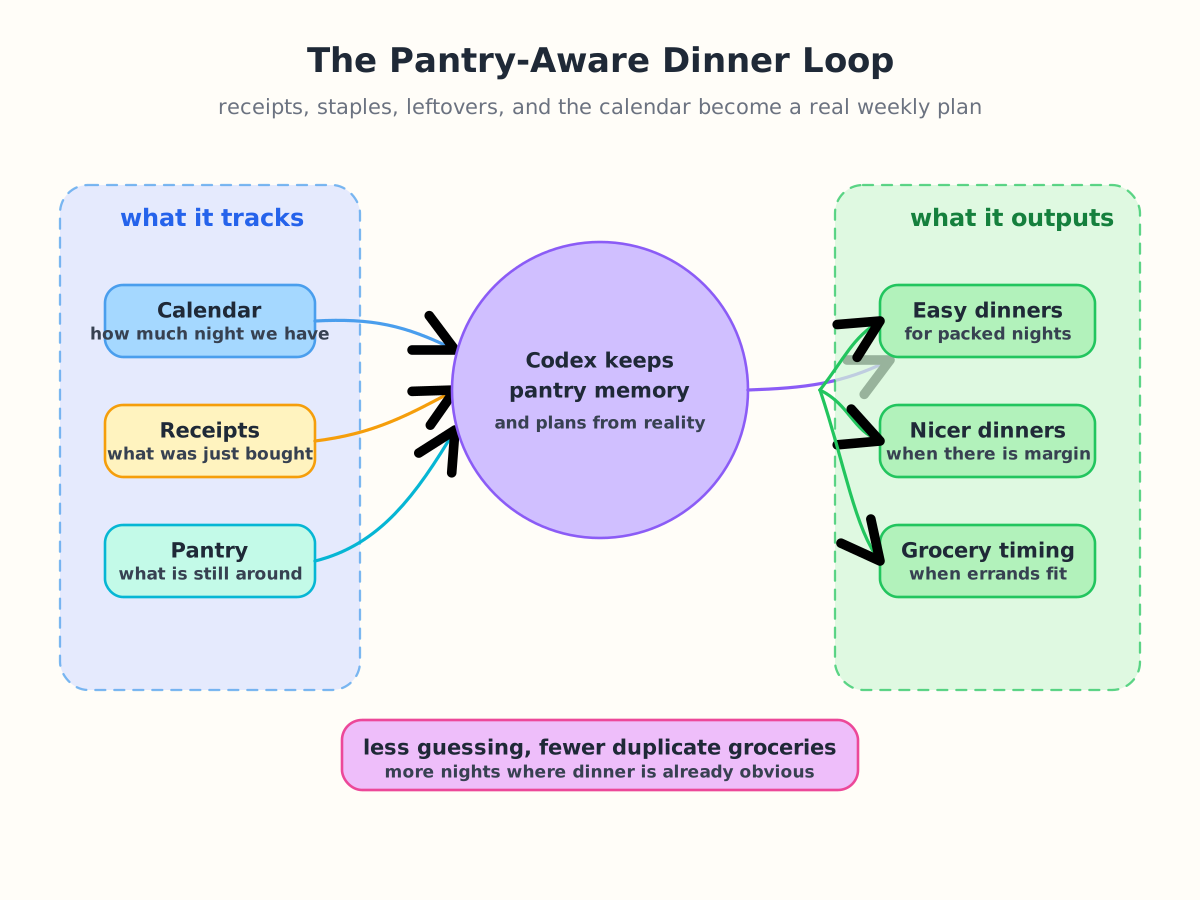
I have been using Codex as a tiny household planning system for dinner.
That sounds more dramatic than it is. The job is simple: look at our calendar, look at what food we already have, remember what we like, and turn that into a grocery list and dinner plan that fits the actual week.
The important part is not that it can suggest “salmon on Thursday.” Any recipe app can do that.
The important part is that it knows whether Thursday should be salmon, leftovers, or the easiest possible tortilla situation.
The Real Constraint Is Time
Dinner planning is really schedule and energy planning.
My wife sometimes has busy workdays, and I often cook on those nights. That changes what a good dinner is.
A good dinner on a packed night is lighter: fewer pans, predictable timing, ingredients already in the house, and no late grocery-store dependency.
A good dinner when we are both home with more margin can be nicer. Maybe salmon with potatoes, steak bowls, or something that takes a little more attention because the night can actually absorb it.
We also have one car. If the car is not available when I would normally shop, then “go grocery shopping Monday” is not a real plan. It is just another thing for us to coordinate during the workday.
So the agent does something more useful. It checks the calendar first. If early-week shopping does not make sense, it builds bridge meals from pantry food, leftovers, tortillas, or takeout, then schedules the grocery run for the first realistic slot when the car is home.
For next week, that meant:
| Day | Dinner | Why it fits |
|---|---|---|
| Monday | Pantry spaghetti with Prego | Bridge meal while shopping waits |
| Tuesday | Leftovers and tortilla night | Very low effort if the day runs long |
| Wednesday | Harris Teeter run, then rotisserie chicken wraps | Easy post-shop dinner |
| Thursday | Lemon salmon with potatoes | Nicer dinner when there is more margin |
| Friday | Beef burrito bowls | Quick, flexible, and good for leftovers |
| Saturday | Mediterranean chicken rice bowls | Fuller dinner when prep time is less bad |
That is a small difference, but it removes a surprising amount of communication.
Instead of texting my wife while she is working about what we have, who has the car, whether we need milk, or whether I should stop somewhere, the plan is already shaped around those constraints.
Inventory Is The Smart Part
The grocery list gets better because it remembers what is already home.
The other piece is inventory.
I have Codex keep small markdown files for preferences, inventory, grocery lists, and meal plans. After grocery trips, I can send it a receipt photo and it updates what we likely have: whole milk, strawberries, grapes, tortillas, Prego, ground beef, yogurt cups, salad kits, snacks, whatever.
That running inventory changes the plan.
If we already have tortillas, it does not add more. If strawberries are a weekly staple, it keeps them in rotation. If grapes were not on the last receipt, it knows to add them back. If there is Prego and spaghetti in the pantry, Monday can become a no-shop dinner instead of a grocery problem.
It also remembers the no list: no asparagus, cucumbers, meatballs, or pesto.
That is what makes it feel useful over time. It is not just making a new meal plan from a blank prompt every Sunday. It has a running sense of the pantry: what we bought recently, what probably got used up, what should be reordered, and which ingredients can become another dinner before they turn into refrigerator archaeology.
In that way it is almost like a small, personalized version of HelloFresh, except it starts from our actual kitchen instead of a fixed box of meals.
Cooking To The Night
Recipes should match the amount of time available.
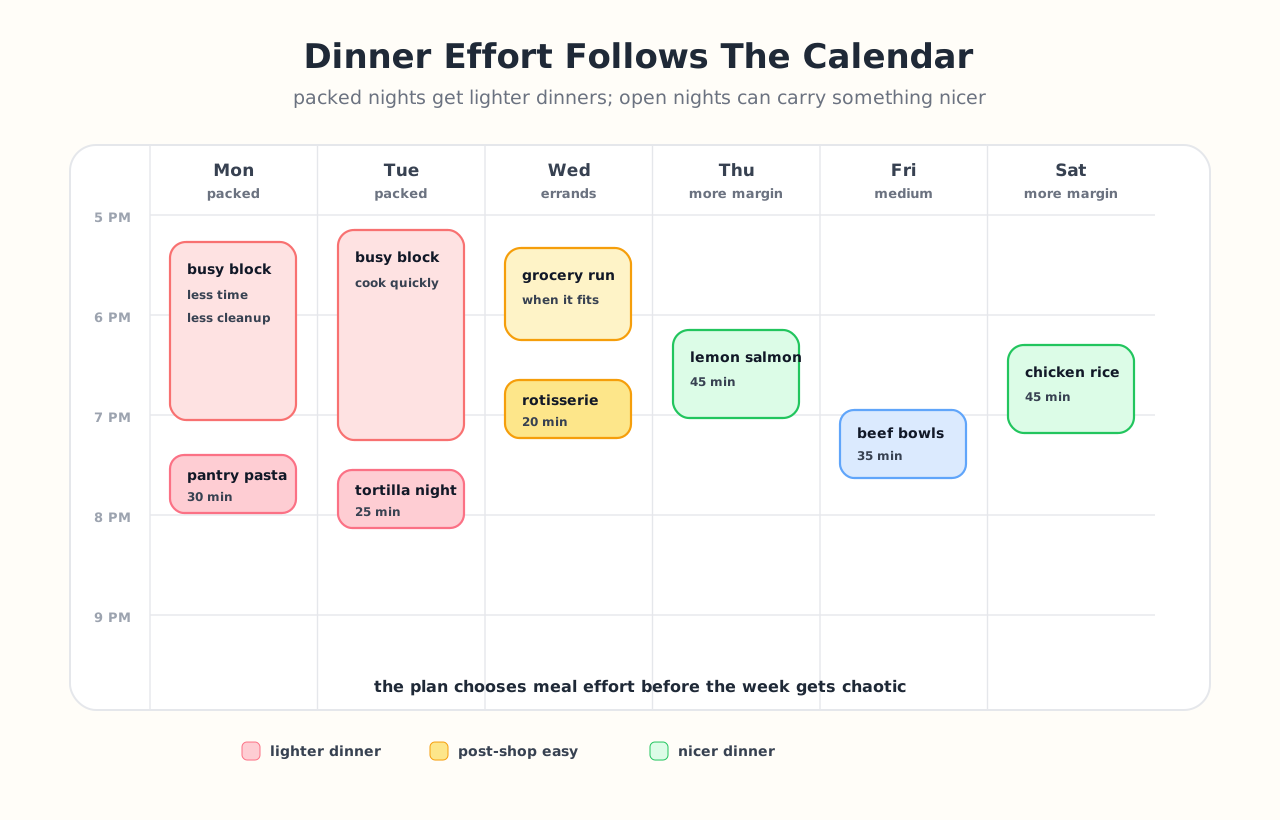
On days I am cooking with less time, the best dinner is not the most impressive one. It is the one I can execute calmly.
On nights when we both have more room, the plan can spend a little more effort. The useful part is that it does not treat every night the same.
So what I need is a short list of realistic ideas, with recipes detailed enough that I do not have to think:
- prep time
- cook time
- oven temperature or burner level
- exact minute ranges
- what to use first
- what leftovers are for
The recipe PDF is not really about aesthetics, though it looks nice. It is a way to make dinner executable when my brain is already full.
The Win
The win is less context passing.
Less “what do we have?”
Less “can you stop at the store?”
Less “what should I make when you get home?”
Less “did we already buy milk?”
The agent is not replacing a conversation with my wife. It is removing the annoying logistics that would otherwise interrupt her workday and mine.
That is where these tools feel most useful to me right now. Not as a chatbot, and not as a novelty, but as a small operating layer over real life: calendar, groceries, preferences, receipts, and the constraints that make a household actually work.